


Office workers are the backbone of modern organizations, playing a crucial role in keeping businesses running smoothly and efficiently. They handle daily operations, manage communication, organize information, and support teams across all levels, making them indispensable in any workplace.
In today’s rapidly evolving professional landscape, shaped by technology, remote work, and digital tools, office worker roles have become more dynamic, skill-driven, and essential than ever before.
Understanding the roles, responsibilities, essential skills, productivity strategies, and career growth opportunities for office workers is key for anyone looking to succeed and thrive in the modern workplace. This guide provides a comprehensive look at what it takes to excel as an office professional and stay ahead in today’s competitive work environment. If you want to go deeper, read Canvasser Explained.
| Category | Overview |
| Definition | Office workers are professionals handling administrative, clerical, operational, technical, or managerial tasks to support business operations across various industries. |
| Common Roles | Administrative assistants, office managers, HR staff, accountants, customer support, data entry professionals, marketing coordinators, project support staff, and IT/system support. |
| Key Responsibilities | Administrative support, communication and coordination, data and record management, operational/process support, customer and client interaction. |
| Essential Skills | Communication, organizational and time management, technical and digital skills, problem-solving and critical thinking, professionalism, and work ethics. |
| Productivity Strategies | Task management, digital tool usage, time optimization, healthy work habits, teamwork, and collaboration. |
| Remote & Digital Work Skills | Self-discipline, digital communication, cybersecurity awareness, and virtual collaboration. |
| Career Growth Opportunities | Senior administrative roles, office management, HR project management, business operations, and executive support. |
| Professional Development | Continuous learning through courses, certifications, workshops, building a professional profile, performance, and recognition. |
| Challenges | Workload pressure, repetitive tasks, burnout, adapting to technology, and communication gaps. |
| Ways to Overcome Challenges | Improve time and stress management, learn new tools, maintain work-life balance, and communicate concerns proactively. |
Who Are Office Workers?
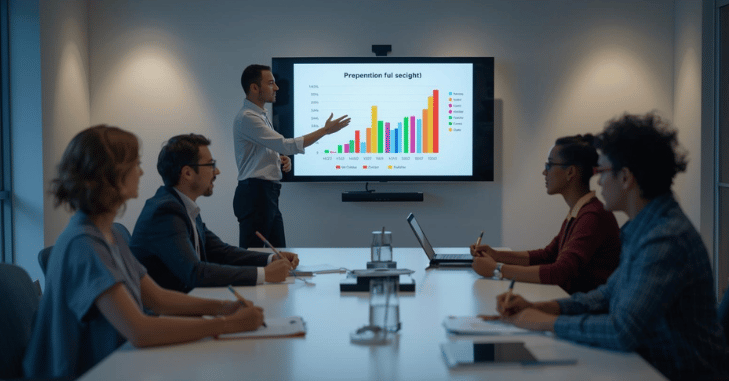
Office workers are essential professionals who support the daily functions of an organization by handling administrative, clerical, operational, technical, or managerial tasks.
They play a key role in ensuring smooth workflows, effective communication, and organized operations across various industries such as business, healthcare, education, finance, IT, marketing, and government.
Common office roles include administrative assistants, office managers, human resource staff, accountants and finance officers, customer support representatives, data entry professionals, marketing coordinators, project support staff, and IT or systems support employees, all of whom contribute to the efficiency and success of modern workplaces.
Roles
Office workers contribute to multiple areas of an organization and often collaborate across departments to maintain smooth and efficient operations. Their responsibilities extend across administration, communication, data handling, and customer engagement, making them essential to overall workplace success.
Administrative Support
Handle essential administrative duties that keep offices organized and functional. These responsibilities include managing schedules and calendars, handling emails and correspondence, preparing documents and reports, and maintaining both physical and digital filing systems.
Communication and Coordination

Strong communication is a central part of office work facilitate information flow between departments, coordinating meetings and events, communicating with clients and stakeholders, and supporting management by providing updates, reports, and timely information.
Data and Record Management
Office professionals are responsible for managing accurate and secure records. This includes maintaining databases, organizing physical and digital files, protecting confidential information, and tracking busines activities such as finances, inventory levels, and performance metrics.
Operational and Process Support
Office workers assist with daily workflows and operational tasks that ensure smooth business functioning. They support project management activities, monitor deadlines, follow up on tasks, and help improve efficiency by identifying process gaps or operational delays.
Customer and Client Interaction
Many interact directly with customers and clients as part of their role. They respond to inquiries, process requests, resolve issues, provide information, and maintain professional relationships that support customer satisfaction and business growth.
Key Responsibilities

Common responsibilities include
- Maintaining workplace organization
- Supporting managers and team members
- Completing tasks accurately and on time
- Following company policies and procedures
- Protecting confidential information
- Adapting to changing priorities and workloads
Essential Skills
- Communication skills: Ability to communicate clearly through emails, reports, meetings, and daily interactions, with strong listening skills and professional language.
- Organizational and time management skills: Efficiently managing multiple tasks, meeting deadlines, prioritizing responsibilities, and staying organized to maintain productivity and reliability.
- Technical and digital skills: Comfort using productivity software, email platforms, cloud storage, collaboration tools, and basic data management systems in modern offices.
- Problem-solving and critical thinking skills: Ability to analyze situations, think logically, make quick decisions, and develop practical solutions to workplace challenges.
- Professionalism and work ethic: Demonstrating reliability, integrity, adaptability, confidentiality, and a positive attitude to build trust and achieve long-term career success.
Productivity Tips

Productivity is essential for office performance and career growth, as it affects both efficiency and quality of work. Effective task management, such as prioritizing responsibilities, breaking tasks into smaller steps, and reviewing daily goals, helps office workers stay organized and focused.
Using digital tools to automate repetitive tasks, manage files, and improve collaboration reduces wasted time and streamlines work processes. Focusing on one task at a time, minimizing distractions, and scheduling dedicated work periods enhances concentration.
Maintaining healthy habits like taking breaks, staying active, and managing stress supports both productivity and well-being.
Office Workers in the Digital and Remote Era
Modern office work increasingly includes remote and hybrid environments. Office workers now rely on virtual communication, cloud-based tools, and flexible schedules.
Important remote work skills include
- Self-discipline and accountability
- Digital communication proficiency
- Cybersecurity awareness
- Virtual collaboration abilities
Career Growth and Advancement

Office workers can advance into senior administrative positions, office management, human resources, project management, business operations, or executive support roles. These opportunities allow professionals to take on greater responsibility and broaden their skill sets.
Continuous Learning
Staying competitive in the modern workplace requires ongoing skill development. Participating in courses, certifications, workshops, and training programs enables office workers to enhance their knowledge, adapt to new technologies, and remain valuable contributors to their organizations.
Building a Professional Profile
A strong professional presence is crucial for long-term career growth. Maintaining a well-crafted resume, networking with industry professionals, cultivating an online presence, and seeking mentorship can all support advancement and open doors to new opportunities.
Performance and Recognition
Office workers can increase their visibility and career prospects by setting clear goals, seeking regular feedback, demonstrating initiative, and taking ownership of their responsibilities. Consistent high performance and proactive engagement often lead to recognition, promotions, and professional growth.
Challenges Faced

- Improving time and stress management: Prioritizing tasks, planning effectively, and using stress-relief techniques to stay focused and balanced.
- Learning new tools and systems: Staying updated with technology and software to work more efficiently and adapt to workplace changes.
- Maintaining work-life balance: Setting boundaries, taking breaks, and ensuring personal time to prevent burnout.
- Communicating concerns early and clearly: Sharing challenges with supervisors or colleagues to find solutions and avoid misunderstandings.
Conclusion
Office workers play a vital role in the modern workplace, ensuring that businesses run efficiently through effective administration, communication, data management, and operational support.
By developing essential office worker skills such as communication, time management, technical proficiency, and problem-solving, professionals can enhance their productivity and contribute more effectively to their teams.
Embracing career growth opportunities, continuous learning, and professional development helps office workers advance into senior roles, expand their responsibilities, and achieve long-term success.
Want to know about I Don’t Want to Work: Causes of Work Aversion, Psychological Effects, Work Break Benefits, Balancing Passion, And Much More Check out our Office category.
FAQs
An expert who supports an organization by managing, performing clerical, or administrative duties.
Administrative assistant, office manager, HR personnel, accountant, customer service, data entry, marketing coordinator, project assistance, and IT support are among the roles.
Pay ranges from entry-level compensation to higher salaries for managers and specialists, depending o function, experience, and geography.
Office personnel, clerical personnel, administrative professionals, or office workers.

