Pending vs Under Contract
In the real estate world, many terms can be confusing for buyers and sellers alike. Among the most common are “pending” and “under contract.” Although they may sound similar, each has a distinct meaning that can influence the buying or selling process. Understanding these terms is essential for making informed decisions during a property transaction.
Pending vs Under Contract often becomes a key point of discussion when a home listing status changes. These labels indicate different stages in the sales process and can determine whether new offers are still being accepted. Knowing the difference helps buyers avoid missed opportunities and gives sellers a clearer outlook on where their deal stands.
| Point | Details |
|---|---|
| Meaning | Status of a home sale |
| Under Contract | Offer accepted, conditions pending |
| Pending | All terms met, near closing |
| Buyer Chance | Backup possible under contract |
| Seller Role | Meet terms before closing |
| Risk Level | Higher risk under contract |
| Certainty | Pending = more secure |
| Timeline | Contract = early, Pending = final |
| Market View | Shows deal stage clearly |
| Legal Status | Both are binding agreements |
| Closing Step | Pending closer to completion |
| Key Insight | Pending vs Under Contract marks progress |
What is Pending vs Under Contract?
The key difference between these two terms is the stage of the transaction. A property that is “under contract” has an accepted offer but is awaiting contingencies such as inspections, financing, or appraisal. This means the deal could still collapse if these conditions are not satisfied.
A “pending” status indicates that all contingencies have been cleared and the property is progressing toward closing. Although new offers are unlikely to be considered at this point, the deal isn’t legally final until the closing process is complete.
Key Highlights
- “Under contract” = accepted offer with conditions
- “Pending” = conditions cleared, close to final sale
- Buyers may have a chance with “under contract,” but less so with “pending.”
- Both terms reflect active agreements between buyer and seller
- Neither guarantees the sale until the closing date
Importance for Buyers

For buyers, understanding these statuses can save time and frustration. If a property is under contract, there may still be a chance to make a backup offer in case the first deal falls apart. This option keeps doors open without needing to give up on a desired home.
When a listing is pending, opportunities are far more limited. Buyers should prepare to move on and focus on other available properties, as pending deals rarely collapse. Recognizing this difference helps buyers make smarter choices during their search.
Importance for Sellers
For sellers, both statuses reflect progress in the selling journey but at different levels of certainty. Being “under contract” shows interest and agreement but still involves negotiation and risk. Sellers must ensure they work closely with buyers to meet contingencies and keep the deal moving forward.
Once the status shifts to pending, sellers can feel more confident that the transaction will close. At this stage, their main role is ensuring that paperwork and legal requirements are completed smoothly.
Role of Contingencies

- Inspection Contingency: Buyer can withdraw if the home inspection reveals major problems.
- Financing Contingency: Buyer must secure mortgage approval to proceed.
- Appraisal Contingency: Sale depends on the property being valued at or above the agreed price.
- Sale of Buyer’s Home: Buyer may need to sell their current home first.
Buyer Opportunities
When a property is marked as “under contract,” it does not necessarily mean the process is complete. Backup offers are often accepted and can enable another buyer to take over if the initial deal fails. Buyers should notify their agents if they are interested in these backup opportunities.
Unlike active listings, pending homes rarely accept backup offers. Although not impossible, it’s much less common, so buyers should concentrate on other available listings instead of waiting.
Market Perception
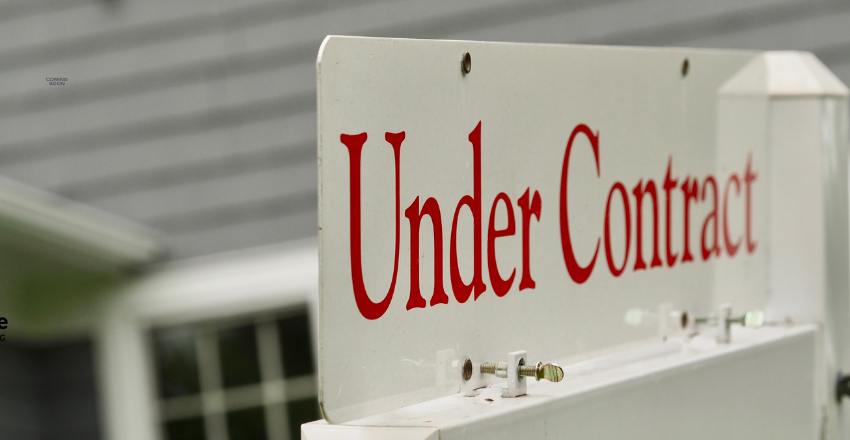
In a competitive real estate market, status labels impact how properties are perceived. Homes marked as “Under contract” may still draw interest since other buyers are aware that deals can fall through. Agents frequently advise interested parties to submit backup offers.
Conversely, “pending” listings are seen as almost sold, which decreases the chance of new offers but also indicates strong market demand and that a serious buyer has been secured.
Risks and Challenges
Even after an accepted offer, homes marked as “under contract” can still encounter delays or cancellations. Common obstacles include financing denials, low appraisals, or failed inspections, all of which can jeopardize the deal.
“Pending” homes generally involve fewer risks but remain unofficial until the closing process is complete. Occasionally, unexpected financial or legal issues might emerge at the last moment, though these instances are less common than at earlier stages.
Benefits of Understanding Status

- Assists buyers in avoiding wasting time on properties that are unavailable.
- Gives sellers clear insight into how close they are to closing the deal.
- Helps agents guide clients step-by-step through the process.
- Provides realistic expectations for both parties
- Clarifies the transaction stage to reduce stress.
Communication with Real Estate Agents
Agents are essential in communicating status updates to clients. They help buyers understand if backup offers are worthwhile and assist sellers in ensuring contingencies are fulfilled and deadlines are monitored.
Clear communication prevents misunderstandings and ensures everyone involved knows what to expect. By staying informed, buyers and sellers reduce the risk of delays and frustration.
Legal Considerations

Real estate contracts are legally binding, meaning both buyers and sellers must honor their commitments. An “under contract” status reflects that obligations exist but are still conditional. If contingencies are not met, the contract may be canceled without penalty.
Once the deal is marked as “pending,” the commitments become more binding, and both parties are actively working to finalize it. At this point, breaking the agreement can result in legal or financial penalties.
Emotional Impact on Buyers
Purchasing a home goes beyond just finances—it’s an emotional experience. When a dream home is marked “under contract,” it can be disheartening, but understanding that backup offers keep hope alive can be reassuring.
Pending homes, however, often bring closure to buyers’ expectations. Recognizing the difference between the two statuses helps manage emotions and reduces unnecessary stress during the search.
Conclusion
Understanding the difference between pending and under contract can make the real estate journey smoother for buyers and sellers alike. Each term represents a specific stage in the sales process, and knowing what they mean helps everyone set realistic expectations. By being informed, buyers save time, and sellers gain confidence in their progress.
The distinction between Pending vs Under Contract ultimately reflects how close a property is to being sold. While one signals ongoing conditions and possibilities, the other shows that the deal is nearly finalized. For anyone navigating real estate, recognizing this difference is key to making smarter decisions and avoiding unnecessary surprises.
If you want to read an interesting article about it, explore our “Real Estate” category.
FAQs
It indicates that the seller has accepted an offer, but conditions such as inspection or financing are still pending.
It shows that all contingencies have been cleared and the property is moving toward closing.
In most cases, no. Pending homes are usually near closing and rarely accept new offers.
It helps buyers understand their chances and helps sellers track how close they are to completing the sale.