Introduction
If you’ve ever dreamed of sharing your culinary creations with the world, learning how to start a food truck can be the perfect way to turn your passion into a thriving business. The food truck industry has exploded in popularity over the past decade, offering a low-overhead, mobile alternative to traditional restaurants.
Starting a food truck allows for creative freedom, flexible operations, and the ability to serve diverse communities. This comprehensive guide will walk you through each step of the process—from research and planning to legal requirements, menu development, marketing, and managing daily operations—so you can launch your food truck with confidence and success. There is more on this in Food Truck Ideas for 2026.
| Sections | Details |
| How to Start a Food Truck | Overview of the food truck industry’s growth and appeal; starting a food truck offers flexibility, creativity, and business opportunity. |
| Research & Planning | Conduct market research, define your food concept/niche, and understand your target audience and competitors. |
| Business Plan | Include executive summary, market analysis, operations, marketing strategy, and financial projections; budget for startup costs. |
| Legal Requirements | Obtain licenses and permits (health, food service, vehicle); ensure insurance coverage (liability, auto, workers’ compensation). |
| Financing | Explore funding options: personal savings, loans, investors, or crowdfunding; plan for ongoing operational expenses. |
| Choosing a Truck | Decide between new vs. used trucks; outfit with essential equipment and optimize layout for efficiency. |
| Menu Development | Create a focused, cost-effective menu; source quality ingredients; use strategic pricing based on cost and market. |
| Branding & Marketing | Build a unique brand identity; leverage social media, a website, and events for promotion; engage with customer feedback. |
| Finding Locations | Choose high-traffic areas and events; build relationships with local organizers and participate in food truck festivals. |
| Challenges & Solutions | Overcome issues like seasonality, regulations, and competition through adaptability, networking, and continuous learning. |
How to Start a Food Truck?
For both foodies and businesspeople, launching a food truck can be an exciting and fulfilling endeavor. The food truck industry has grown significantly over the past decade, offering a unique blend of culinary creativity and business opportunity. This guide will cover everything you need to know about starting a food truck, including requirements, menu planning, choosing locations, overcoming challenges, effective management, and more.
Research and Planning
Market Research
Doing in-depth market research is essential before starting a food truck business. Understanding your target audience is vital. Consider factors such as demographics, local food preferences, and spending habits. Analyzing competitors in your area can also provide insights into what works and what doesn’t, helping you carve out your niche.
Defining Your Niche
Choosing a specific cuisine or theme for your food truck is essential. Whether you specialize in gourmet tacos, vegan dishes, or artisanal desserts, having a clear identity will help attract customers and differentiate your brand from competitors. Think about what unique flavors or concepts you can offer that will resonate with your target audience.
Creating a Business Plan
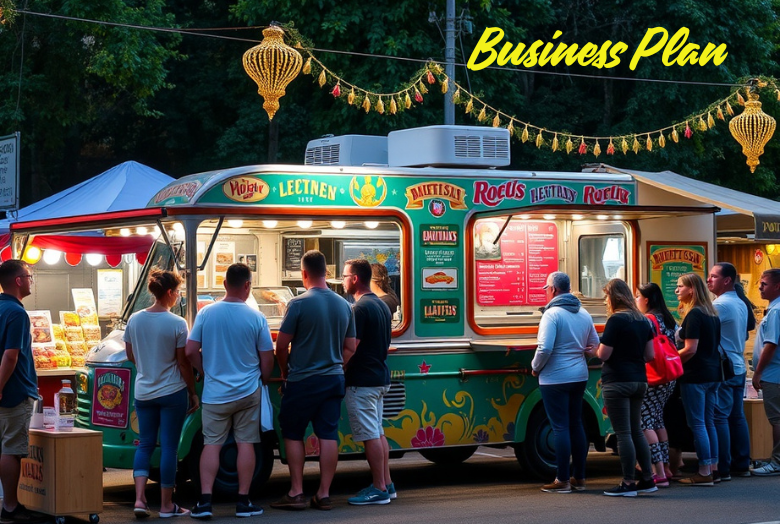
Key Components of a Business Plan
A well-structured business plan is vital for your food truck’s success. It should include:
- Executive Summary: An overview of your business concept and goals.
- Market Analysis: Insights from your research on competitors and target customers.
- Marketing Strategy: Plans for promoting your food truck and attracting customers.
- Operations Plan: Details about daily operations, including staffing and logistics.
- Financial Projections: Estimated startup costs, revenue forecasts, and break-even analysis.
Budgeting for Startup Costs
Startup costs for a food truck can vary widely, so it’s essential to create a detailed budget. Common expenses include:
- Purchasing or leasing the food truck
- Equipment and supplies (grills, fryers, utensils)
- Licenses and permits
- Initial inventory of food and beverages
- Branding and marketing materials
- Insurance
Legal Requirements
Licenses and Permits
Before you can hit the road, you must obtain the necessary licenses and permits. Requirements vary by location, but common permits include:
- Business license
- Food service license
- Health department permit
- Vehicle registration
- Food handler’s permit
Check with your local health department and city regulations to ensure compliance.
Insurance Considerations
Having the appropriate insurance is essential for safeguarding your company. Consider the following types of insurance:
- General Liability Insurance: Covers accidents and injuries related to your food truck.
- Commercial Auto Insurance: Protects your food truck in the event of an accident.
- Workers’ compensation insurance, which covers injuries sustained on the job, is necessary if you have employees.
Financing Your Food Truck
Exploring Funding Options
Starting a food truck often requires significant investment. Here are some funding options to consider:
- Personal Savings: Using your savings can provide a straightforward way to fund your venture.
- Loans: Traditional bank loans or small business loans can help cover startup costs.
- Investors: Bringing in partners or investors can provide the necessary capital in exchange for equity.
- Crowdfunding: Platforms like Kickstarter or GoFundMe allow you to raise funds from the public.
Assessing Ongoing Expenses
In addition to initial expenditures, take into account continuing costs like:
- Ingredients and supplies
- Fuel costs
- Maintenance and repairs
- Employee wages
- Marketing and promotional efforts
Choosing the Right Food Truck
New vs. Used Food Trucks
You can choose between buying a new or used food truck. Each has its pros and cons:
- New Trucks: Typically come equipped with the latest technology and warranties, but they are more expensive.
- Used Trucks: More affordable, but may require repairs or updates.
Essential Equipment and Layout
For your food truck to run smoothly, the layout must be carefully planned. Essential equipment may include:
- Cooking appliances (grills, fryers, ovens)
- Refrigeration units
- Serving counters
- Storage for ingredients and supplies
Crafting Your Menu

Menu Development
Your menu should reflect your food truck’s identity while being manageable within the constraints of your truck. Consider offering a limited selection of items that can be prepared quickly and efficiently.
Sourcing Ingredients
Building relationships with local suppliers can enhance the quality of your offerings. Consider sourcing seasonal and locally produced ingredients, as this can attract customers who prioritize fresh and sustainable food.
Pricing Strategies
Determining the right pricing for your menu items is essential for profitability. Consider factors such as ingredient costs, competitor pricing, and perceived value when setting prices.
Branding and Marketing
Creating a Strong Brand Identity
Branding is critical for standing out in the competitive food truck industry. Your food truck’s values and personality should be reflected in your brand. This includes your truck’s design, logo, and overall aesthetic.
Effective Marketing Strategies
To draw clients, you must market your food truck. Consider the following strategies:
- Social media: Showcase your food and interact with customers on sites like Facebook and Instagram.
- Website: Create a website with your menu, location schedule, and contact information.
- Local Events: To raise awareness, take part in food festivals, farmers’ markets, and neighborhood gatherings.
Utilizing Customer Feedback
Engaging with customers and gathering feedback can help you refine your offerings. Encourage reviews on social media and food review platforms, and be responsive to both positive and negative feedback.
Finding Locations and Events
Choosing Locations
Finding the right locations to park your food truck is crucial for success. Consider high-traffic areas, such as:
- Business districts during lunch hours
- Parks and recreational areas
- Local events and festivals
Building Relationships
Networking with local businesses, event organizers, and community leaders can open opportunities for parking at events and gaining loyal customers.
Participating in Food Truck Festivals
Food truck festivals can provide excellent exposure. These events attract food enthusiasts and can help you build a customer base.
Operations and Management
Staffing Your Food Truck
Hiring the right team is essential for smooth operations. Look for individuals who are passionate about food and customer service. Training is crucial to ensure that all staff understand food safety protocols and customer service expectations.
Managing Inventory
Effective inventory management helps minimize waste and ensures you have the necessary supplies on hand. Implement systems to track inventory levels and establish relationships with reliable suppliers.
Implementing Efficient Service Practices
Service simplification can boost revenue and enhance customer satisfaction. Consider the following practices:
- Prepping Ingredients: Prepare as much as possible before service hours to minimize wait times.
- Clear Menu Design: A well-organized menu can help customers make quick decisions.
- Efficient Payment Processing: Invest in a reliable point-of-sale system to speed up transactions.
Challenges and Solutions
Common Challenges
When starting and running a food truck, there are a number of challenges to overcome, including:
- Seasonality: Business may fluctuate based on seasons and weather conditions.
- Regulatory Compliance: Navigating permits and health regulations can be complex.
- Competition: Standing out in a crowded market requires creativity and marketing efforts.
Strategies for Overcoming Obstacles
- Adaptability: Be willing to adapt your menu and marketing strategies based on customer feedback and changing trends.
- Networking: Build relationships with other food truck owners for support and sharing best practices.
- Continuous Learning: Stay informed about industry trends and innovations to keep your business competitive.
Conclusion
Starting a food truck can be an exciting journey filled with opportunities for creativity and entrepreneurship. By following the steps outlined in this guide—conducting thorough research, creating a solid business plan, navigating legal requirements, and developing an effective marketing strategy—you can set yourself up for success in the food truck industry. Although challenges may arise, with passion and perseverance, you can bring your culinary vision to life and create a thriving food truck business.
Want to know about “UPS Driving Jobs: A Complete Guide to Salary, Benefits, Requirements, Work-Life Balance, and Long-Term Career Growth” Check out our “Small Business” category.
FAQs
Depending on the truck, equipment, permits, and location, startup costs usually fall between $50,000 and $150,000.
Street-friendly, easy-to-eat foods like tacos, burgers, BBQ, sandwiches, coffee, and desserts are popular choices.
Common challenges include weather dependency, finding good locations, equipment maintenance, and staying compliant with regulations.